Why do I have Yellow Teeth?
Posted on 12/15/2025 by Highridge Dental Care Folsom |
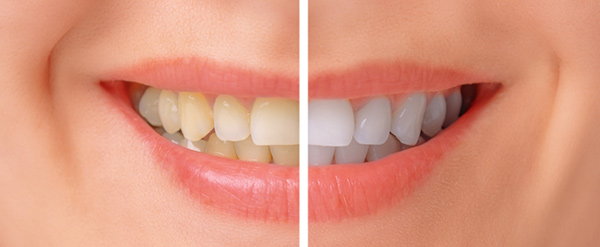 Ever wondered why your pearly whites aren't as bright as you'd like? It's a common concern! Many people find themselves looking in the mirror and noticing their teeth aren't as white as they once were, or as white as they wish they were. The good news is, understanding the reasons behind it is the first step toward achieving a brighter, healthier smile. Let's explore some of the most common culprits behind yellow teeth. Ever wondered why your pearly whites aren't as bright as you'd like? It's a common concern! Many people find themselves looking in the mirror and noticing their teeth aren't as white as they once were, or as white as they wish they were. The good news is, understanding the reasons behind it is the first step toward achieving a brighter, healthier smile. Let's explore some of the most common culprits behind yellow teeth.
What Causes Teeth to Turn Yellow?
Several factors contribute to the discoloration of our teeth. Some are within our control, while others are simply a part of the aging process.
| • |
Enamel Erosion: Our teeth have an outer layer called enamel. This enamel is naturally white and protects the inner layers of the tooth. Over time, enamel can wear away due to acidic foods and drinks, aggressive brushing, or even teeth grinding. When the enamel thins, the underlying layer called dentin becomes more visible. Dentin is naturally yellow in color, which makes the teeth appear more yellow overall. |
| • |
Food and Drinks: What we eat and drink can have a significant impact on the color of our teeth. Coffee, tea, red wine, and dark-colored sodas are notorious for staining teeth. These beverages contain pigments called chromogens that attach to the enamel and cause discoloration. Similarly, certain foods like berries, soy sauce, and balsamic vinegar can also contribute to staining. |
| • |
Poor Oral Care Habits: Neglecting your oral care routine is a surefire way to develop yellow teeth. When you don't brush and floss regularly, plaque and tartar build up on the surface of your teeth. These substances are not only unsightly but also provide a breeding ground for bacteria that can damage your teeth and gums. |
| • |
Tobacco Use: Smoking cigarettes or using chewing tobacco is a major cause of tooth discoloration. Tobacco products contain nicotine and tar, which are both staining agents that can quickly turn teeth yellow or brown. |
| • |
Age: As we age, our enamel naturally thins over time, revealing more of the underlying dentin. This is a natural part of the aging process and can contribute to yellowing teeth. |
| • |
Certain Medications: Some medications, such as certain antibiotics (like tetracycline), can cause tooth discoloration, especially in children whose teeth are still developing. |
What Can You Do About Yellow Teeth?
The good news is, there are several steps you can take to prevent and address yellow teeth. Prioritizing proper oral care is paramount.
| • |
Brush and Floss Regularly: Brush your teeth at least twice a day with fluoride toothpaste and floss daily to remove plaque and food particles. |
| • |
Limit Staining Foods and Drinks: Reduce your consumption of coffee, tea, red wine, soda, and other staining substances. If you do consume them, rinse your mouth with water afterward. |
| • |
Quit Tobacco Use: If you smoke or use chewing tobacco, quitting is one of the best things you can do for your oral health and overall well-being. |
| • |
Consider Prevention Dentistry: Regular dental checkups and cleanings are essential for maintaining a bright, healthy smile. Your dental professional can remove plaque and tartar buildup, identify potential problems early on, and recommend appropriate treatments to address discoloration. |
The Importance of Prevention Dentistry
Prevention dentistry is key to keeping your smile bright and healthy. By understanding the causes of yellow teeth and adopting good oral hygiene habits, you can significantly reduce your risk of discoloration and enjoy a confident, radiant smile for years to come. Remember, a healthy smile is a happy smile! |
|