Teeth vs. Bones - What's the Difference?
Posted on 4/15/2026 by Highridge Dental Care Folsom |
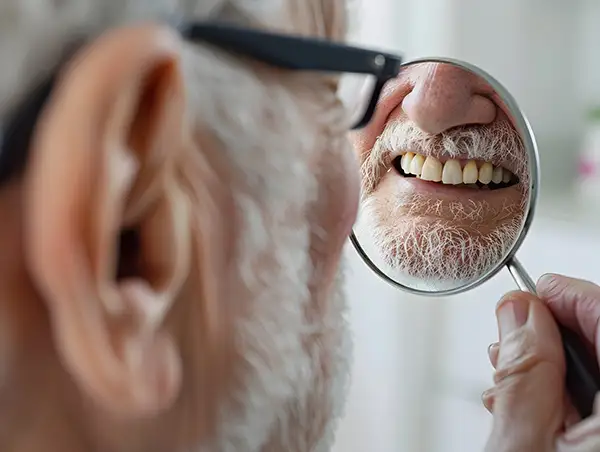 Ever wondered what makes your teeth so strong? Or how they compare to your bones? It’s a common question! While both are hard and support your body, teeth and bones are actually quite different in their composition, function, and how they heal. Let's dive into what makes them unique. Ever wondered what makes your teeth so strong? Or how they compare to your bones? It’s a common question! While both are hard and support your body, teeth and bones are actually quite different in their composition, function, and how they heal. Let's dive into what makes them unique.
Composition: What They're Made Of
Both teeth and bones are made of calcium phosphate, a mineral that gives them their rigidity. However, the arrangement of this mineral and the presence of other materials differ.
Bones are living tissue with a blood supply. They're composed of a protein framework called collagen, which is then mineralized with calcium phosphate. This combination gives bones flexibility and strength. They also contain cells that constantly remodel and repair bone tissue.
Teeth, on the other hand, have a highly mineralized outer layer called enamel. Enamel is the hardest substance in the human body, even harder than bone! It's primarily made of a specialized form of calcium phosphate called hydroxyapatite. Underneath the enamel is dentin, which is similar to bone but denser. The innermost part of the tooth is the pulp, which contains nerves and blood vessels.
Repair Mechanisms: How They Heal
This is a major difference! Bones have an amazing ability to heal themselves. When you break a bone, cells rush to the site of the fracture to repair the damage and rebuild the bone tissue. New bone is formed, and eventually, the fracture is mended.
Unfortunately, teeth don't have the same regenerative capabilities. Enamel contains no living cells and cannot repair itself. If you chip or crack your enamel, the damage is permanent. While dentin can sometimes repair itself to a small extent, it’s a slow process. That's why proper oral care is so important. If you experience a broken tooth, it's essential to seek professional care.
Function: What They Do
Bones provide the framework for our bodies, protect our vital organs, and allow us to move. They also store minerals and produce blood cells.
Teeth, on the other hand, are primarily responsible for chewing and breaking down food. This is the first step in the digestive process. They also play a role in speech and contribute to our appearance.
Implications for Dental Work and Oral Care
Because teeth can't heal themselves like bones, preventative oral care is critical. Brushing, flossing, and regular dental check-ups help to protect your enamel and prevent cavities. When damage does occur, such as a cavity or a broken tooth, we rely on restoration dentistry to repair and protect the tooth. These procedures can involve fillings, crowns, or other methods to restore the tooth's function and appearance.
In Summary
While teeth and bones share some similarities in their mineral composition, they differ significantly in their structure, repair mechanisms, and function. Understanding these differences highlights the importance of good oral care to maintain healthy teeth for a lifetime. |
|